
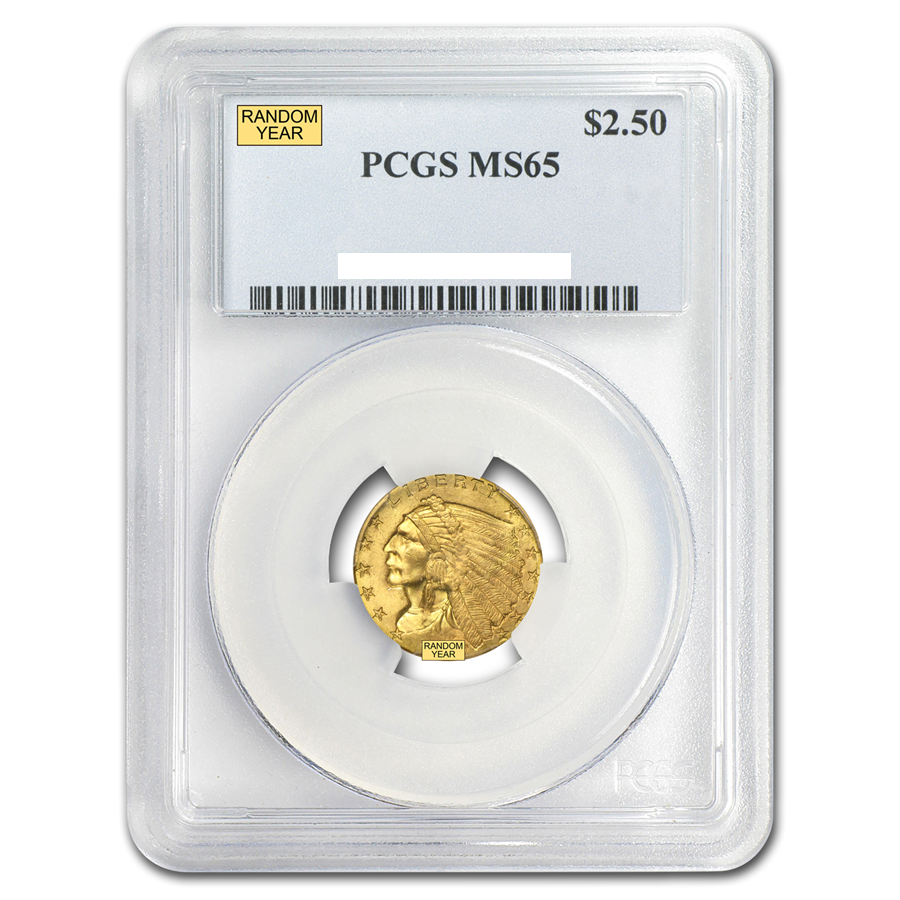
$2.50 Indian Gold Quarter Eagle: History, Value, and Collecting Guide
The $2.50 Indian Gold Quarter Eagle is one of the most distinctive gold coins in United States numismatic history. Struck by the U.S. Mint from 1908 through 1929, the Indian Head Quarter Eagle features an unusual incuse design in which the major design elements are recessed below the surface of the coin rather than raised. 1909-O $5 Indian NGC AU55
Although the denomination is only $2.50, these historic U.S. gold coins can command substantially more than their face value because of their gold content, limited mintages, condition, rarity, and collector demand. Understanding the history and characteristics of the $2.50 Indian Gold Quarter Eagle can help collectors evaluate individual examples and appreciate their place in American coinage. 1909 5 dollar gold coin value
What Is a $2.50 Indian Gold Quarter Eagle?
The $2.50 Indian Gold Quarter Eagle is a U.S. gold coin with a face value of $2.50. It was designed by sculptor Bela Lyon Pratt and introduced in 1908 as part of an effort to create a new style of American coinage.
Unlike many earlier U.S. coins, the Indian Quarter Eagle uses an incuse design. Instead of having the portrait and lettering raised above the coin’s surface, the design is recessed into it. $20 St. Gaudens Gold Double Eagle Uncirculated
The coin contains approximately 0.12094 troy ounces of gold, making its intrinsic precious-metal value an important component of its overall market value. However, collectible examples generally trade based on much more than melt value.
$2.50 Indian Gold Quarter Eagle Specifications
Collectors researching an Indian Head Quarter Eagle commonly look at the following specifications:
- Denomination: $2.50
- Composition: 90% gold, 10% copper
- Gold content: Approximately 0.12094 troy oz.
- Weight: Approximately 4.18 grams
- Diameter: Approximately 18 mm
- Designer: Bela Lyon Pratt
- Design type: Indian Head Quarter Eagle
- Years struck: 1908–1929
- Mint locations: Philadelphia, Denver, San Francisco, and New Orleans for certain issues
The coin’s combination of gold content and historic significance makes it appealing to both gold collectors and U.S. coin enthusiasts.
Design of the Indian Head Quarter Eagle
The obverse features a Native American portrait wearing a traditional feathered headdress. The inscription LIBERTY appears above the portrait, while the year is positioned below.
The reverse depicts an eagle standing on a bundle of arrows, with an olive branch below. The inscriptions UNITED STATES OF AMERICA, E PLURIBUS UNUM, and 2 1/2 DOLLARS complete the reverse design.
The incuse format gives the coin a distinctive appearance and separates it from most other U.S. gold coins of the era.
Why Is the $2.50 Indian Gold Quarter Eagle Important?
The Indian Head Quarter Eagle represents an important transition in American coin design. Its recessed artwork was unusual for U.S. circulating coinage and demonstrated the Mint’s willingness to experiment with the relationship between artwork, production, and durability.
The series also belongs to the broader era of classic U.S. gold coinage that included the $5 Indian Half Eagle and other early 20th-century gold denominations.
For collectors, the series offers numerous dates and mintmarks to explore, ranging from relatively accessible examples to scarce and highly sought-after issues. ARC $5 Liberty Gold Half Eagle MS64 1795-1908
$2.50 Indian Gold Quarter Eagle Mintmarks
Mintmarks can play an important role in identifying and evaluating Indian Quarter Eagles.
Examples may have been produced at different U.S. Mint facilities, including:
- Philadelphia: No mintmark
- Denver: D
- San Francisco: S
- New Orleans: O on applicable early issues
The mintmark is located on the reverse, near the lower portion of the design. Because production quantities varied considerably between facilities and years, the date and mintmark combination can have a major effect on collector interest.
What Determines the Value of a $2.50 Indian Gold Quarter Eagle?
The value of a $2.50 Indian Gold Quarter Eagle depends on several factors rather than simply its $2.50 face value.
Gold Content
Because the coin contains approximately 0.12094 troy ounces of gold, changing gold prices can influence its bullion value. Collectible examples may sell for substantial premiums over their melt value.
Date and Mintmark
Some dates and mintmark combinations are considerably scarcer than others. Identifying the exact year and mintmark is therefore essential when researching a particular coin.
Condition and Grade
Condition is one of the most important factors affecting collectible value. Coins with strong surfaces, attractive color, sharp details, and limited signs of wear can be significantly more desirable than heavily circulated examples.
Professional grading services use standardized grades to describe a coin’s condition. Uncirculated examples are particularly important to collectors because they preserve the original detail and surfaces of the design. ARC Liberty Gold Double Eagle MS62 1850-1907
Rarity
Certain Indian Quarter Eagles have lower surviving populations than others. Rarity can result from limited original production, low survival rates, or strong collector demand for particular dates and mintmarks.
Eye Appeal
Two coins with the same date and grade can still attract different levels of collector interest. Surface quality, color, luster, and overall appearance can influence desirability.
Are $2.50 Indian Gold Quarter Eagles Rare?
Not every Indian Quarter Eagle is rare. The series includes dates that are relatively available as well as issues that are considerably scarcer.
Collectors should distinguish between mintage rarity and condition rarity. A coin may have a substantial original mintage but be difficult to locate in exceptionally high grades because many examples were circulated, melted, or otherwise lost over time.
This makes the specific date, mintmark, grade, and population of surviving examples important considerations when evaluating a coin.
How to Identify a $2.50 Indian Gold Quarter Eagle
When identifying an example, examine several characteristics:
- Check the denomination. The reverse should identify the coin as a $2.50 issue.
- Identify the year. The date appears on the obverse beneath the portrait.
- Look for a mintmark. The reverse can indicate the mint where the coin was produced.
- Check the weight and dimensions. These can help identify potential alterations or counterfeits.
- Inspect the surfaces. Original surfaces and details are important for determining condition.
- Look for signs of cleaning or damage. These can affect collector desirability and grading.
For valuable or rare examples, professional authentication and grading can provide additional assurance.
Collecting $2.50 Indian Gold Quarter Eagles
The series can be collected in several ways. Some collectors focus on assembling examples from different dates, while others specialize in particular mintmarks or grades.
A date-and-mintmark collection can provide a historical overview of the series, while type collectors may simply seek one attractive example representing the Indian Head Quarter Eagle design.
Collectors interested in investment-grade coins often pay close attention to certification, population reports, auction records, and comparable sales.
How to Store an Indian Gold Quarter Eagle
Proper storage is important for preserving collectible gold coins. Hold the coin by its edges and avoid touching the surfaces unnecessarily. Coins should be kept in protective holders designed for numismatic pieces.
Avoid cleaning or polishing an Indian Quarter Eagle. Abrasive cleaning can leave scratches or alter the original surfaces, potentially reducing its collectible appeal.
A controlled, dry storage environment can also help protect the coin and its holder over the long term.
$2.50 Indian Gold Quarter Eagle vs. $2.50 Liberty Quarter Eagle
The Indian Head Quarter Eagle replaced the earlier Liberty Head Quarter Eagle design.
The two series differ significantly in appearance. The Liberty Head design uses a traditional raised-relief portrait, while the Indian Head Quarter Eagle uses Bela Lyon Pratt’s distinctive recessed design.
For collectors, both series represent important examples of U.S. gold coinage, but the Indian Head Quarter Eagle is especially recognizable because of its unusual incuse artwork. 1908-S $20 Saint Gauden NGC AU58
Is a $2.50 Indian Gold Quarter Eagle Worth Collecting?
The $2.50 Indian Gold Quarter Eagle offers several areas of collecting interest in one coin: historical significance, gold content, distinctive artwork, date and mintmark variety, and condition-based rarity.
When researching one for a collection, consider the date, mintmark, grade, authentication, surface quality, and current market conditions rather than relying solely on the coin’s face value or gold content.
Whether you are interested in classic American gold coins, U.S. Mint history, or numismatic collecting, the Indian Quarter Eagle provides an opportunity to own a genuine piece of early 20th-century American coinage. 1903-O $10 Gold Liberty MS61
Reviews
There are no reviews yet.