Scythian NGC AU ancient gold coin: History, Rarity & Collecting Guide
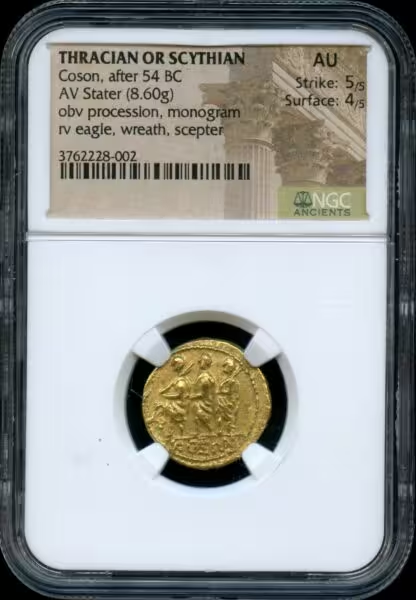
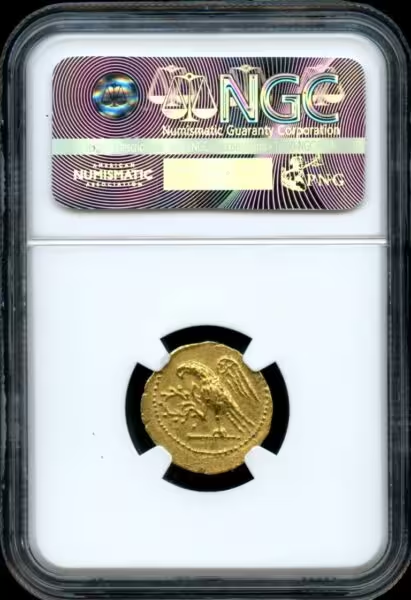
A Scythian NGC AU ancient gold coin combines several areas of interest for collectors: ancient Scythian history, precious-metal coinage, ancient numismatics, and professional coin grading. Because each part of this description carries important meaning, researching the historical attribution, metal composition, NGC certification, and AU ancient gold coin grade can help collectors better understand what they are examining. 2026 Silver American Eagle
Scythian ancient gold coin are associated with the cultures and kingdoms of the ancient Eurasian steppe. Their coinage is particularly interesting because it reflects interactions between nomadic societies and the established Greek-speaking trading and political centers around the Black Sea. Ancient Silver Coins of Alexander The Great
What Is a Scythian NGC AU ancient gold coin?
The phrase Scythian NGC AU ancient gold coin describes a coin or numismatic piece associated with the Scythian world that has been represented as platinum, has received an NGC certification or holder designation, and carries an AU (About Uncirculated) grade.
Each component provides different information:
- Scythian refers to the historical and cultural attribution.
- NGC refers to Numismatic Guaranty Company, a professional third-party coin authentication and grading service.
- AU means About Uncirculated, a grade indicating limited evidence of circulation relative to circulated examples.
- Platinum identifies the reported precious-metal composition.
Because platinum ancient gold coin was not a conventional metal for ancient coinage, the platinum designation is particularly important to investigate independently when evaluating an unusual ancient piece. Does an Older Coin Automatically Mean It’s Worth More?
Who Were the Scythians?
The Scythians were a group of ancient peoples associated with the Eurasian steppe, particularly regions north of the Black Sea and extending across parts of Central Eurasia.
Scythian societies were known for their mobility, horse culture, distinctive artistic traditions, and extensive interaction with neighboring civilizations. Greek colonies and trading centers around the Black Sea created important connections between Scythian populations and the Mediterranean world.
These interactions are reflected in archaeological discoveries and numismatic material associated with the broader Scythian cultural sphere.
Scythian Coinage and Ancient Numismatics
Scythian-associated coinage can be complex because the term encompasses a broad geographical and cultural environment rather than one centralized monetary system.
Coins connected with the northern Black Sea region may display Greek artistic influences, local symbols, rulers, animals, mythological imagery, or inscriptions. Identifying an ancient coin therefore requires more than simply examining its design.
Important identification characteristics can include:
- Obverse imagery
- Reverse imagery
- Inscriptions and legends
- Weight
- Diameter
- Metal composition
- Die style
- Fabric and manufacturing characteristics
- Historical attribution
- Provenance
These characteristics can help distinguish an authentic ancient issue from later reproductions, modern fantasy pieces, or incorrectly attributed objects.
What Does AU Mean on a Coin?
AU means About Uncirculated.
The designation generally indicates a coin that retains most of its original detail and shows relatively limited evidence of circulation. On ancient coins, surface characteristics can be influenced by many factors beyond ordinary circulation, including burial, cleaning, corrosion, environmental exposure, and subsequent conservation.
Consequently, the appearance of an ancient AU coin can differ considerably from that of a modern coin carrying the same broad grade designation. 1 oz Platinum American Eagle BU (Random Year)
Why Is Platinum Significant?
Platinum ancient gold coin is a particularly unusual metal in the context of ancient coinage.
Pure platinum has an extremely high melting point of approximately 1,768°C, making it difficult to process using many ancient metallurgical technologies. Ancient monetary systems instead relied heavily on metals such as gold, silver, bronze, copper, and electrum.
For this reason, a coin described as a Scythian platinum coin deserves careful examination of its composition and attribution.
The term platinum should not be treated simply as an indication of precious-metal value. The historical plausibility of the metal, the coin’s production characteristics, and its documentation are all important considerations.
How to Research a Scythian NGC AU Platinum ancient gold coin
Collectors examining a coin with this description can research several categories of information.
Historical Attribution
Determine which Scythian culture, ruler, region, or associated ancient community is represented. The attribution should be supported by recognizable numismatic characteristics.
Metal Composition
Confirm how the platinum designation was established. Professional analytical testing can help identify the elemental composition of an unusual ancient object.
NGC Certification
Review the certification number and associated NGC information where available. This can help confirm the identification and grade associated with the encapsulated piece.
Grade
An AU designation indicates an About Uncirculated example, but collectors should also examine the coin’s surfaces, strike, details, and overall preservation.
Provenance
A documented ownership history can provide useful information about an ancient coin’s collecting history and may be especially valuable when the piece has an unusual attribution or composition.
What Makes Scythian ancient gold coin Collectible?
Scythian-associated coins can appeal to collectors because they connect numismatics with the history of the Eurasian steppe and the ancient Black Sea region.
Collectors may be interested in:
- Ancient Scythian history
- Steppe cultures
- Greek-Scythian interactions
- Ancient coin designs
- Animal-style artwork
- Ancient precious metals
- Rare or unusual coin types
- Certified ancient coins
The combination of historical attribution and unusual material can make a piece particularly interesting to specialists.
Scythian Coin Design and Symbolism
Animal imagery is an important part of the artistic traditions associated with Scythian culture. Archaeological objects connected with Scythian and related steppe cultures frequently feature animals and highly stylized representations.
When examining an ancient coin, design elements can provide clues about cultural connections, artistic traditions, and possible attribution. However, imagery should be considered alongside weight, fabric, inscriptions, die characteristics, and historical evidence.
Is a Scythian Platinum ancient gold coinRare?
A genuine ancient coin deliberately produced from platinum would be extraordinarily unusual compared with conventional ancient gold, silver, bronze, and copper coinage.
That makes the exact identification of a purported Scythian platinum coin especially important. Rarity claims should be supported by reliable numismatic references, certification information, metallurgical evidence, and provenance rather than rarity alone.
Reviews
There are no reviews yet.